
This post may contain affiliate links, which means I may receive commission from purchases made through links.
Car camping is hands-down one of the best ways to get outside without going full wilderness-survival mode. You’ve got the truck, you’ve got the gear, and you’ve got a fire to sit around with people you actually like. But nothing kills the vibe faster than realizing you forgot something obvious or that your gear just isn’t up to it. After years of camping across Montana and Wyoming, here are the 25 things we never, ever leave home without.
Before we get into it: I always tell people to think of car camping in zones. Sleep zone, kitchen zone, power zone, comfort zone, and safety zone. Once you think that way, packing becomes way less chaotic. Let’s break it down.
🛏️ Sleep System
Getting good sleep outdoors is an art. These five things make all the difference between waking up refreshed and waking up with a crick in your back and a grudge against nature.
A quality sleeping bag rated for the actual temps
Montana nights can drop 30°F after sunset even in summer. We always go one rating colder than we think we’ll need. A 20°F bag that’s too warm is way better than a 40°F bag that leaves you shivering at 2am. Look for bags with temperature ratings, not just “3-season” vague claims.

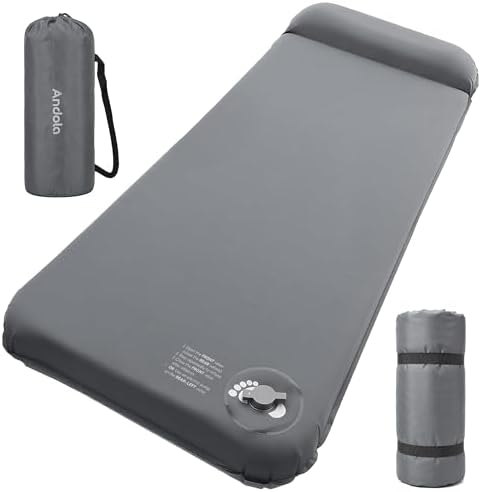
A sleeping pad, seriously, don’t skip this
This is the #1 piece of gear people cheap out on and regret. The ground steals your body heat way faster than cold air does. We use an insulated foam pad at minimum; for car camping we go full self-inflating. Your back will send you a thank-you note.
A camp pillow (or two, no shame)
We tried the “just use a stuff sack” approach. Never again. A real compressible camp pillow takes up almost no space and makes a huge difference in sleep quality. We both bring one, and honestly, sometimes we bring a real pillow from home since we’re car camping anyway.

A 4-season tent (or at least a solid 3-season)
Tents are where you don’t want to gamble. We’ve tested a lot of them and written about our favorites, a tent that leaks or collapses in wind is a miserable night. For car camping, weight doesn’t matter as much, so we go for roominess and weather protection over ultralight.

A cozy camp blanket for evening hang time
Once you’ve set up camp and the sun drops, you don’t want to climb back in your tent just to grab your sleeping bag. Keep a dedicated camp blanket for sitting around the fire. Bonus: they double as a travel blanket, stadium blanket, and general life upgrade.

Pro tip: Store your sleep system in large waterproof compression bags. Even if it doesn’t rain, keeping damp air out of your down keeps it lofty all trip.
🍳 Kitchen & Food Setup
Good food at camp is not a luxury, it’s what separates a great trip from a miserable one. You don’t need to go gourmet, but you need the right setup.
A two-burner camp stove
For car camping, a two-burner propane stove is non-negotiable. You want to be able to boil water and cook simultaneously without doing a juggling act. We’ve been using the same camp stove for years and it still fires up perfectly.

A cast iron skillet
Weight doesn’t matter in the car. A cast iron skillet is the greatest camp cooking tool ever made, even heat, nothing sticks (when seasoned), and you can use it directly on the fire grate. Eggs, potatoes, fish, you name it. Ours has been everywhere.

A high-quality cooler
The cooler is the most important piece of camp kitchen gear. A cheap cooler barely lasts a day. A quality rotomolded cooler keeps ice for 5–7 days, which means real food, cold drinks, and no last-minute grocery runs. It’s an investment that pays for itself after a few trips.

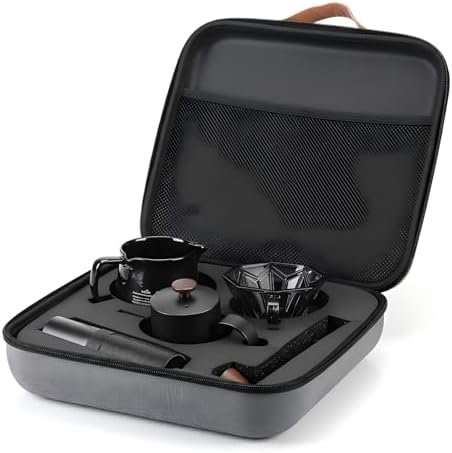
A camp coffee setup
Mornings at camp are sacred. Don’t ruin them with bad coffee. Whether you’re a pour-over person, a percolator devotee, or you love a camp-style French press, invest five minutes in your morning ritual. It sets the whole tone of the day.
Reusable camp dishes & utensil set
Paper plates are wasteful and flimsy. Get a dedicated camp dish set for car camping. They feel substantial and last forever. We’ve had ours for 6+ years.

A quality water filter or purifier
Even in developed campgrounds, having your own water filtration is smart. For backcountry-adjacent camping in Montana, it’s essential. We use a gravity filter at camp and always have backup purification tabs. Never, ever assume the water is clean.

🔦 Power & Light
Modern car camping means you don’t have to rough it on power. These are the tools that keep us comfortable, connected, and safe after dark.
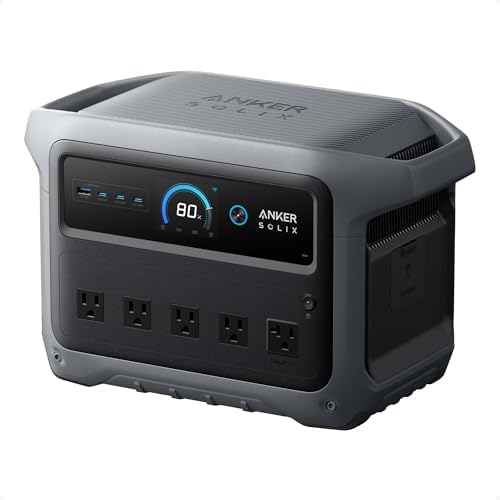
A portable power station
This has become one of the most-asked-about items on our site. A good portable power station runs a fan, charges devices, powers a small fridge, and can even handle a CPAP machine. We’ve covered some of our favorites in our power station guide. This is a game changer for camp comfort.
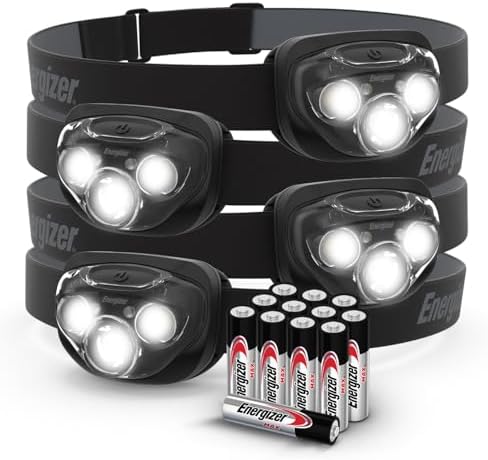
A headlamp (one per person, no sharing)
A headlamp is more important than a flashlight, your hands stay free. Get one with a red-light mode so you don’t blast people’s night vision around camp. We’ve used cheap ones and quality ones; the difference in brightness and battery life is night and day.
String lights for the campsite
This sounds extra, but hear us out, string lights strung between trees around your campsite make the whole experience feel more like a home base and less like survival mode. Solar or battery powered. They’re also genuinely useful for navigating after dark

A solar panel for recharging
If you’re camping more than one night, pairing a solar panel with your power station means you never run out of juice. Park it in a sunny spot and it trickle-charges all day. Montana has no shortage of sun.

A portable satellite communicator
When you’re camping in the backcountry near Yellowstone or deep in Montana, cell service disappears. A satellite communicator lets you send messages and SOS signals from anywhere on Earth. We don’t go on remote trips without ours. This is the one safety item that justifies its price immediately.

🪑 Comfort & Camp Life
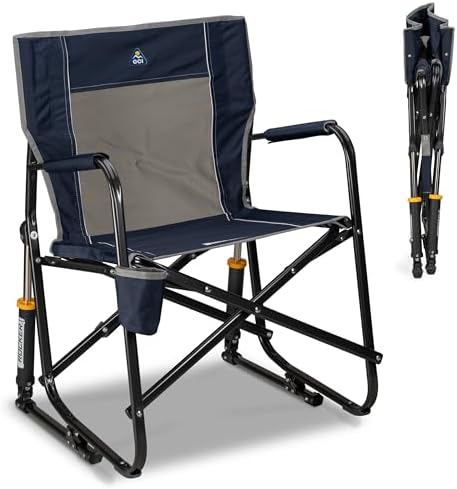
Camp chairs, comfortable ones
You will spend hours in your camp chair. Don’t suffer through a cheap, sinking-in, pinch-your-legs disaster. Get a chair that has actual lumbar support and won’t fold on you. We love low-profile chairs for around the fire and tallback chairs for morning coffee views.
A folding camp table
A folding table turns a chaotic camp kitchen into an actual functional workspace. It’s where everything lives: the stove, food prep, drinks, all of it. Without a table, you’re setting things on the ground and losing them in the dark. Non-negotiable for us.

A hammock
Two trees + a hammock + afternoon shade = the best nap of your life. We always pack ours. It takes up the space of a water bottle and transforms any campsite with trees into a resort. Get one with straps included so you’re not scrambling for rope.

A quality bug repellent (natural options included)
We wrote a whole post on this because Montana mosquitoes are no joke. We use DEET-free options for daily use and keep DEET-based as backup for serious bug pressure. A citronella lantern at camp also helps set the perimeter without drowning yourself in spray.

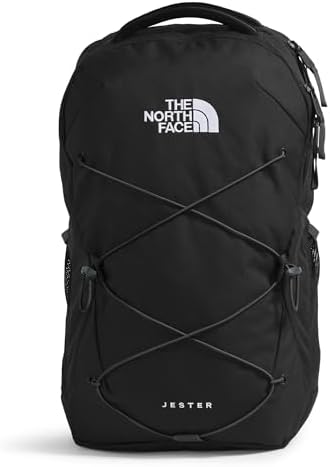
A packable day pack
Even on a car camping trip, you’ll want to do day hikes or paddles. A lightweight packable daypack is perfect, it stuffs into its own pocket, so it takes up almost no space in the car, and it’s there when you need it. Ours has gone on hundreds of miles of trails.
Pro tip: Pack your camp chairs and table in the same bag or carry case. You’ll always know where they are and they won’t take over the truck bed.
🧰 Safety & the Smart Stuff
A solid first aid kit
Not a tiny hotel kit, a real wilderness first aid kit. Include blister treatment, wound care, splints, a tourniquet, and any personal medications. Know how to use what’s in it. We’re not being dramatic: we’ve needed ours more than once.

Bear spray (in bear country)
This is not optional if you’re camping in Montana, Wyoming, or anywhere with bears. Bear spray is far more effective than a firearm in a bear encounter, and it’s legal everywhere. Keep it on your hip, not buried in your pack. Buy two cans, one for camp, one for the trail.

A firestarter kit
Waterproof matches, a lighter, and fire starters. Always three methods. We like fatwood sticks and wax-based fire starters that work even in damp conditions. Starting a campfire shouldn’t be a 45-minute struggle, with the right kit it takes two minutes.

An offline maps app loaded before you leave
You will lose service. Download your maps offline before you go. We use a combination of Google Maps offline areas and a dedicated trail app. Knowing exactly where the nearest town, trail access, or campsite is when you have zero bars is genuinely reassuring. My favorite is All trails and On X Maps.
There you have it, things we genuinely never leave home without when car camping. You don’t need to buy all of it at once; build your kit over time and invest in quality where it matters most (sleep system, cooler, power). The rest can come piece by piece.