This post may contain affiliate links, which means I may receive commission from purchases made through links.
If you’ve ever ventured deep into the Montana or Wyoming backcountry, camping near Yellowstone, tucked into a canyon, or casting into a quiet stream, you know how quickly cell service vanishes. And while unplugging can feel refreshing, being completely cut off isn’t always ideal. Sometimes, you need more than just peace and quiet, you need a lifeline. Whether it’s checking incoming weather, navigating safely, or staying in touch during an emergency, reliable internet access can make all the difference..
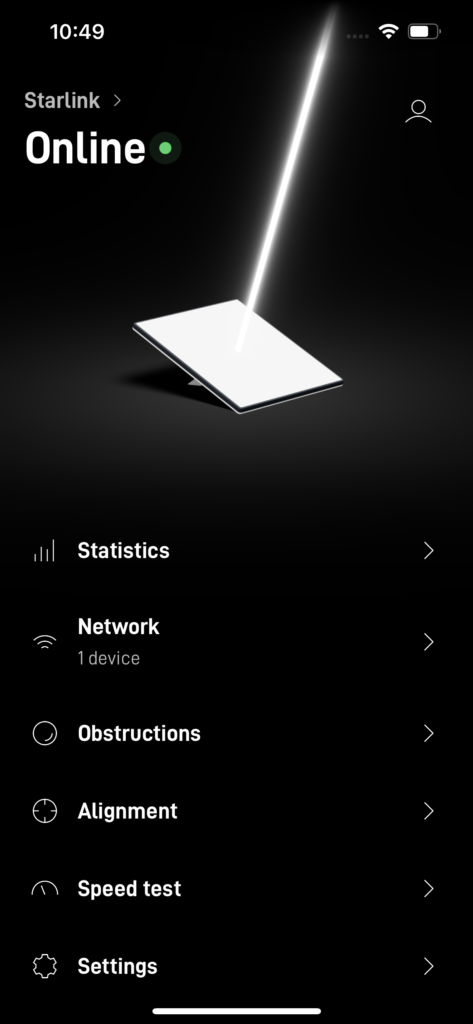
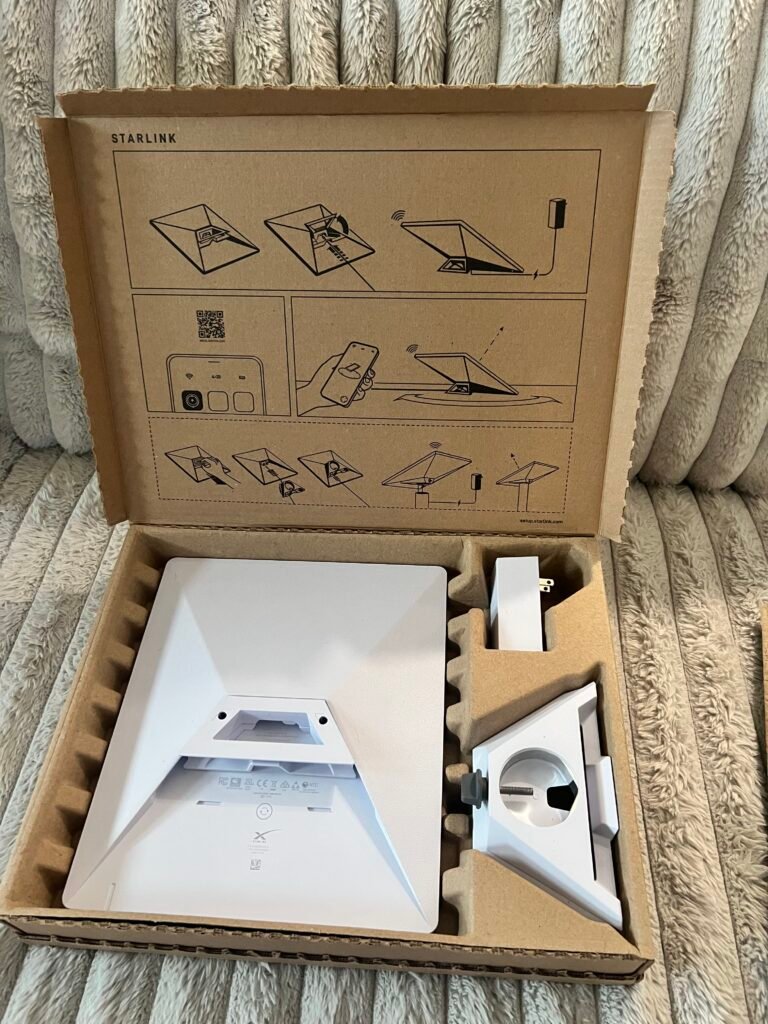
Enter: Starlink Mini. This tiny but powerful device has totally changed the way we adventure. We now have high-speed internet wherever we go, on the road, in the forest, or miles down a dirt trail. It’s compact enough to carry and strong enough to deliver reliable service in places phones don’t stand a chance.
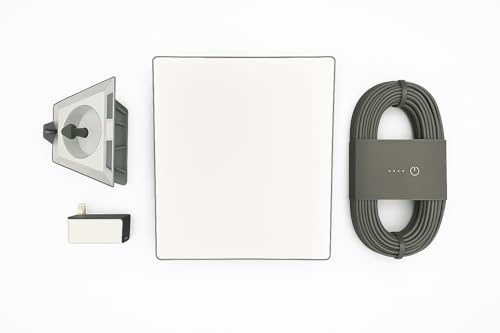
Here’s a full breakdown of our real-life setup, including all the gear we personally use to make it work seamlessly in the wild.
🚐 On-the-Go Internet While Driving
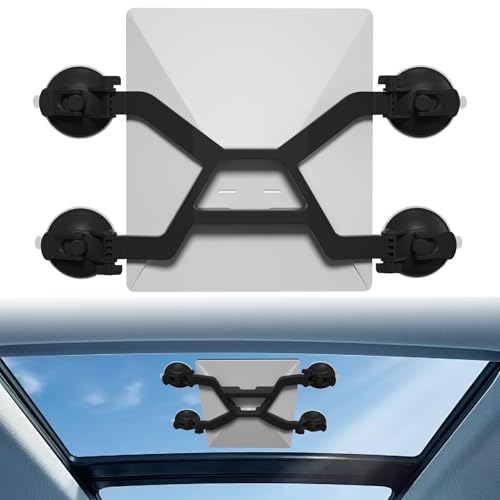
For road trips, camping, and working from the road, we mount the Starlink Mini to our windshield using a suction cup mount. It holds steady even on bumpy backroads and gives us internet while driving through remote areas like Yellowstone or the Beartooth Mountains. Even better if you have a sunroof, you can position the dish through the opening for an even clearer signal while staying tucked inside the vehicle.
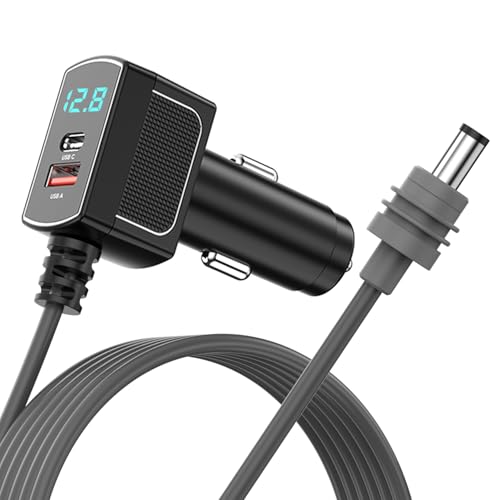
To keep the Starlink powered, we use a 12V–24V DC power cable that plugs into the car’s cigarette lighter. It has USB-C and Type-C ports and has overheat protection—perfect for long drives and remote travel days.
🎒 Off-Grid, On Foot: Our Hiking & Fishing Setup
When we’re away from the vehicle, hiking, fishing, or basecamping, we rely on the Anker 737 Power Bank. It’s powerful enough to charge Starlink Mini, our phones, and other gear, all while being small enough to fit in a daypack. You will also need a USB-C to DC adapter.

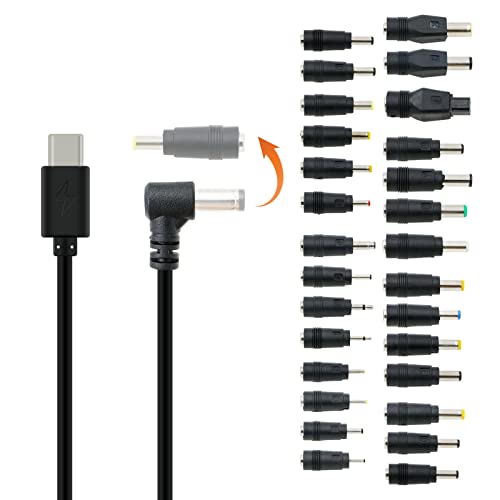
This combo has worked flawlessly during long hikes and remote fishing days.
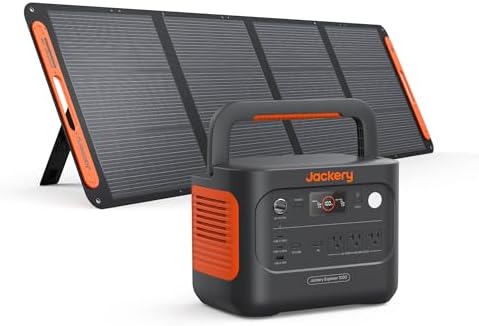
When we’re basecamping for a couple of days or more, we bring along our Jackery battery. It’s larger and heavier than the Anker but provides way more power, perfect for charging multiple devices, lights, and even the Starlink for extended use. It’s become a staple for our longer trips where we want to stay connected and powered up without running the car or worrying about battery life. I made a blog about Portable Power Stations on my site.
🎒 The Clear Backpack That Actually Works
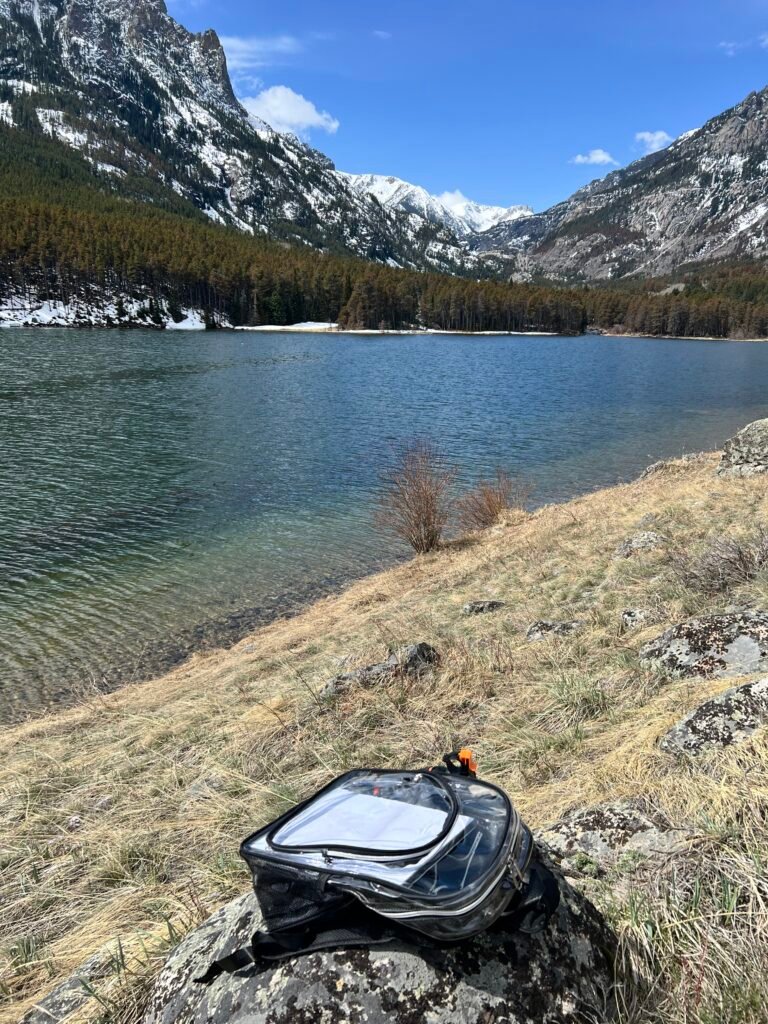
This one’s a little funny, but we carry a heavy-duty clear backpack, and honestly, it’s kind of genius. The Starlink Mini works right through the bag, so there’s no need to unpack everything just to get connected. It keeps all the gear protected. It’s not the “bestseller” but this is the one I use and it works perfectly.

- Thick and Durable: The transparent backpack is made of environmentally friendly TPU material, which makes it have better…
- Large Capacity: size: 14×17.2×5.7 in; built-in a large-capacity main compartment, a small inner mesh pocket, a front com…
- Ergonomic Design: HEEYA backpack uses a thicker breathable mesh design, which is wider and thicker than others to reduce…
We get a few curious looks on the trail but once people realize we’ve got full bars out in the middle of nowhere, the questions start rolling in. Haha.
Final Thoughts
No matter where you are in the world, whether you’re camping along the Madison, trekking through the Alps, or exploring remote roads in Yellowstone, this compact setup lets you stay connected, safe, and flexible. The Starlink Mini has made it possible for anyone to adventure deeper without fully disconnecting.
And yes… we’ve even worked from the trail. Quietly. Don’t tell. 😉
See you out there—wild, free, and still online (if we want to be).